
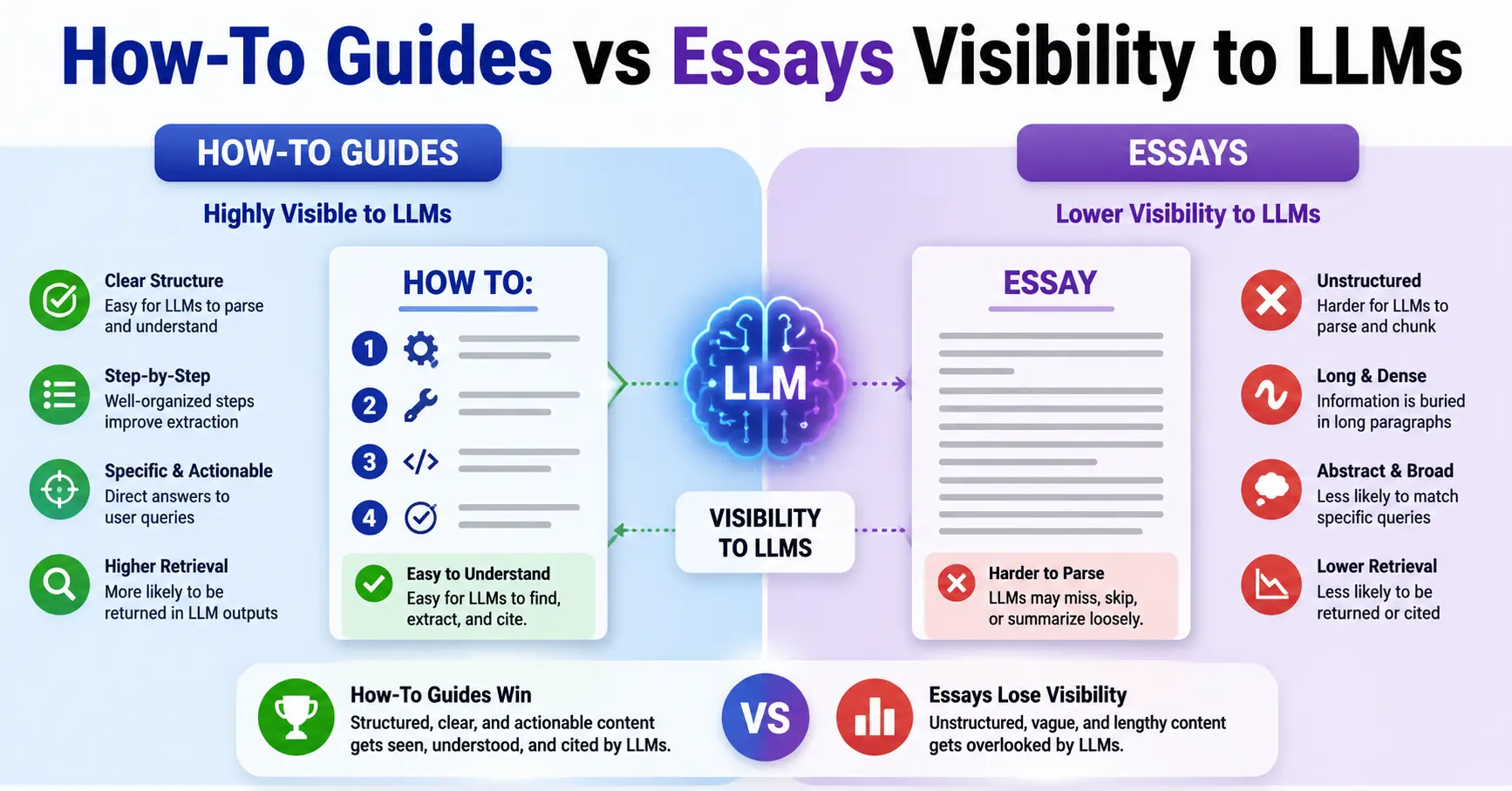
How-To Guides vs Essays Visibility to LLMs if you publish content for a living, you have probably asked yourself this question: should I write a structured how-to guide or a narrative essay, if I want AI tools like ChatGPT, Gemini, Perplexity, and Google AI Overviews to actually cite my page.
Most SEO blogs talk about LLM visibility in general terms. They cover entities, embeddings, brand mentions, and technical markup. What almost nobody breaks down is the format question: does a step-by-step guide beat a long-form essay when a large language model decides what to quote.
The short answer is that both formats can win, but they win different kinds of queries. This guide explains exactly when each format performs best, why LLMs treat them differently, and how to structure each one so it gets pulled into AI-generated answers.
What You Will Learn
- The real difference between a how-to guide and an essay, from an LLM’s point of view
- Why retrieval systems favor one format for certain query types
- A side-by-side comparison table you can use for content planning
- Step-by-step formatting rules for both formats
- A simple decision framework for choosing the right format before you write
Why Format Matters for AI Visibility
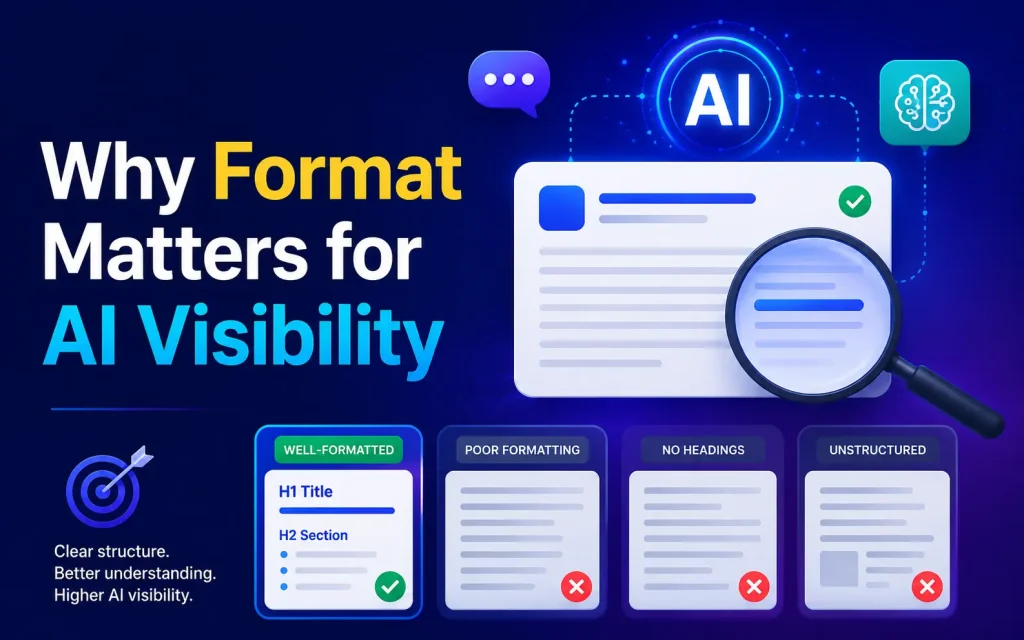
Search engines used to reward pages that matched a keyword. Large language models work differently. They break a page into chunks, convert each chunk into a numerical representation, and compare that representation to the user’s question. This process is called retrieval-augmented generation, or RAG.
Here is the part competitors rarely explain clearly: the chunk that gets retrieved is not the whole page. It is usually a paragraph, a list, or a single answer block. That means the internal structure of your content, not just its topic, decides whether it gets pulled into an answer.
This is exactly why format becomes a ranking factor in its own right. A how-to guide naturally breaks into clean, self-contained chunks. A traditional essay often buries its key claim in the middle of a paragraph, which makes it harder to extract cleanly.
How-To Guides: Built for Direct Extraction
A how-to guide answers a single practical question through ordered steps. Think of titles like “How to Set Up a VPN” or “How to Bake Sourdough Bread.”
Why LLMs Favor This Format for Action Queries
How-to content matches that intent almost perfectly because:
- Each step is a self-contained chunk with a clear instruction
- Numbered lists map directly onto the sequential answers models like to generate
- Headings often restate the user’s likely question, which raises the similarity score between the query and that section
- Short, declarative sentences are easier for a model to lift and rephrase accurately
Formatting Rules That Improve Extraction
- Open with the direct answer. Do not save the main point for the conclusion. State the outcome in the first two sentences, then explain the steps.
- Use one action per step. A step that mixes three instructions is harder to extract cleanly than three separate steps.
- Name the tools and entities explicitly. Instead of “open the settings menu,” write “open the Settings menu in Windows 11.” Specificity increases the chance the model trusts the source enough to quote it.
- Add a short summary table for steps that involve numbers, settings, or comparisons. Tables are some of the most retrievable content blocks because they are already structured data.
- Keep each step under 40 words where possible. Long paragraphs inside a step reduce extraction accuracy.
Essays: Built for Reasoning Opinion and Synthesis
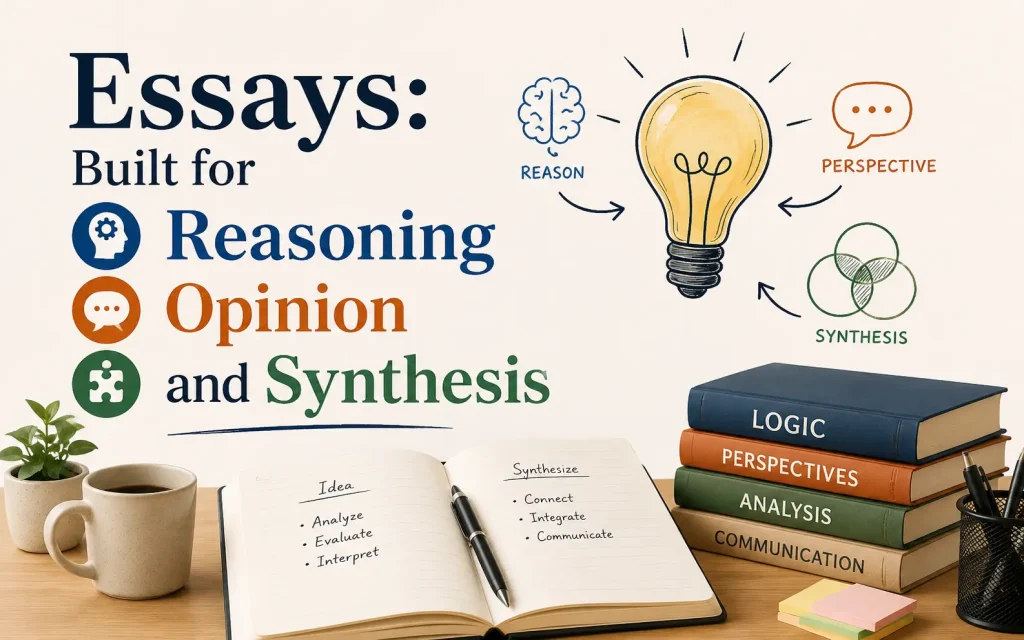
An essay explores a question, builds an argument, or synthesizes multiple perspectives. Titles like “Why Remote Work Failed for Some Companies” or “Is AI Replacing Junior Developers” fall into this category.
Why LLMs Still Need This Format
Not every question has a step-by-step answer. Questions that start with “why,” “should,” or “is it worth it” require reasoning, not instructions. LLMs handle these by synthesizing multiple sources, and they tend to favor essays that:
- State a clear, confident position early, instead of hedging until the final paragraph
- Use evidence, data, and named sources to support each claim
- Break long arguments into clearly labeled sections, so each section can be retrieved independently
- Avoid vague language like “some people think” without naming who
Research from Princeton and IIT Delhi on generative engine optimization found that adding direct quotations to content increased AI visibility by roughly 43 percent, and citing authoritative sources improved visibility by over 100 percent for lower-ranked content. That data point applies strongly to essays, because essays live or die on the strength of their evidence.
Formatting Rules That Improve Retrieval
- Lead with your conclusion, not your build-up. Save the “bottom line up front” for the first paragraph, not the last one.
- Write in standalone paragraphs. Each section should make sense if read in isolation, since that is exactly how a model will extract it.
- Name your sources inside the sentence. “According to a 2025 Pew Research study” is more retrievable than “research shows.”
- Use subheadings that sound like real questions. A subheading like “Is remote work actually less productive?” matches conversational queries better than “Productivity Concerns.”
- Limit paragraphs to three or four sentences. Long, unbroken blocks of reasoning are harder for a model to chunk accurately.
How-To Guides vs Essays Side-by-Side Comparison
| Factor | How-To Guide | Essay |
|---|---|---|
| Best for query type | “How do I,” “steps to,” “how to fix” | “Why,” “should I,” “is it worth,” “what do experts think” |
| Typical structure | Numbered steps, short instructions | Argument-driven sections, evidence-based paragraphs |
| Chunking for retrieval | Naturally clean, one idea per step | Requires deliberate paragraph breaks to chunk well |
| Citation likelihood in AI Overviews | High for instructional queries | High for opinion or comparison queries |
| Risk if done poorly | Steps too vague or combined, low extraction accuracy | Buried thesis, weak sourcing, low retrieval confidence |
| Ideal length | 600 to 1,500 words, depending on complexity | 1,000 to 2,500 words, depending on depth of argument |
| Update frequency needed | High, since tools and interfaces change often | Lower, unless new data or events change the argument |
| Visual aids that help | Screenshots, numbered diagrams, short videos | Charts, data tables, comparison visuals |
The Hybrid Approach When One Page Needs Both
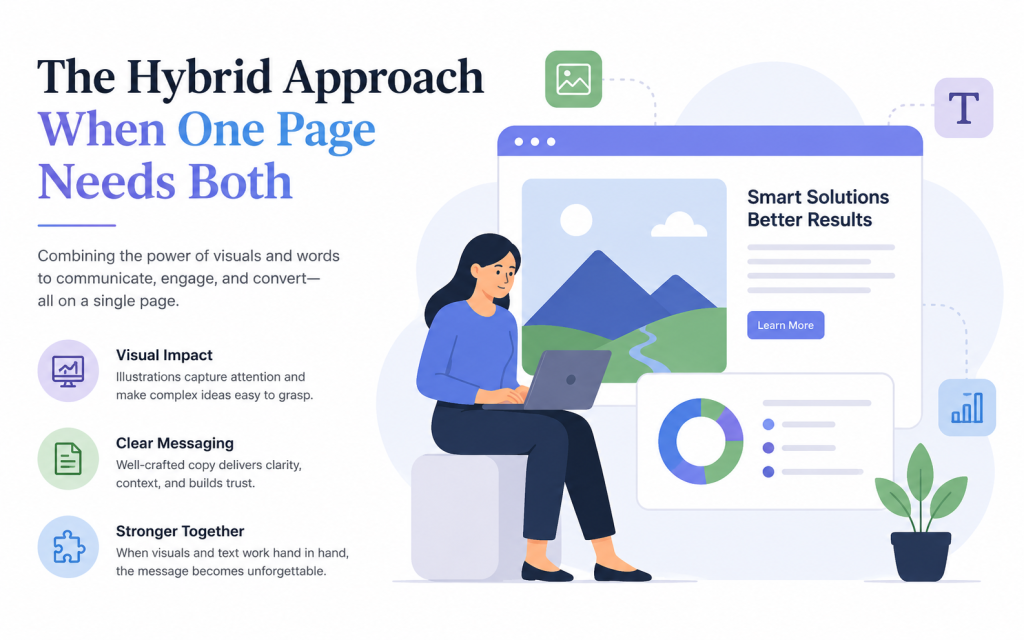
Many real-world topics need elements of both formats. A page titled “Should You Switch to a Standing Desk” benefits from an essay-style opening that weighs the evidence, followed by a short how-to section explaining how to transition safely.
When you blend formats:
- Keep the essay portion focused on the decision or argument
- Keep the how-to portion in a clearly separated section with its own heading, such as “How to Make the Switch Safely”
- Do not mix instructional steps into the middle of an argumentative paragraph, since that confuses both readers and retrieval systems
A Simple Decision Framework
Before you start writing, ask these three questions.
- Does the searcher want to do something, or understand something? If the intent is action, lean how-to. If the intent is a judgment call, lean essay.
- Can the answer be broken into a numbered sequence without forcing it? If yes, a how-to format will outperform an essay for that query.
- Does the topic require weighing conflicting evidence or opinions? If yes, an essay format gives you room to present multiple sides, which a rigid how-to structure cannot do well.
What the Competing Guides Miss
Most existing guides on LLM visibility focus on technical signals: structured data, llms.txt files, entity optimization, or backlink patterns. Those factors matter, but they assume the content itself is already well formatted. None of the leading guides currently published address the format decision at the content-planning stage, which is the point where many visibility problems actually start.
A page can have perfect technical markup and still get ignored by an LLM if the argument is buried in the fourth paragraph, or if a how-to guide combines three actions into one confusing step. Fixing format before you publish is cheaper and more reliable than trying to fix retrieval after the fact.
Frequently Asked Questions
What is the difference between a how-to guide and an essay?
A how-to guide focuses on teaching readers how to complete a specific task through step-by-step instructions, while an essay explores a topic through analysis, discussion, or argument.
Why are how-to guides often more visible to LLMs?
How-to guides use structured formatting, headings, lists, and direct answers, making it easier for LLMs to identify and extract useful information.
Can essays rank well in AI search results?
Yes. Essays can rank well when they demonstrate expertise, provide original insights, and answer user questions clearly, even without a step-by-step format.
Which content type is better for AI visibility?
For most informational queries, how-to guides tend to have an advantage because they directly address user intent and provide actionable information.
Should I replace essays with how-to guides?
Not necessarily. Many successful content strategies combine educational essays with practical how-to sections to serve both readers and AI systems.
Final Takeaway
When comparing how-to guides vs essays visibility to LLMs structured instructional content often has an advantage because it presents information in a clear and organized format. Large language models can more easily identify steps, answers, definitions, and practical solutions within how-to guides.
Essays can still perform well, especially when they provide deep expertise and unique insights, but they may require more effort from AI systems to extract actionable information. For creators who want their content to be discovered, referenced, and summarized by AI tools.
combining the depth of an essay with the structure of a how-to guide is often the most effective approach. Clear headings, concise explanations, and logical organization help both human readers and AI systems understand content more efficiently.
You May Also Like It:
The Tech Yourself How to Guides
