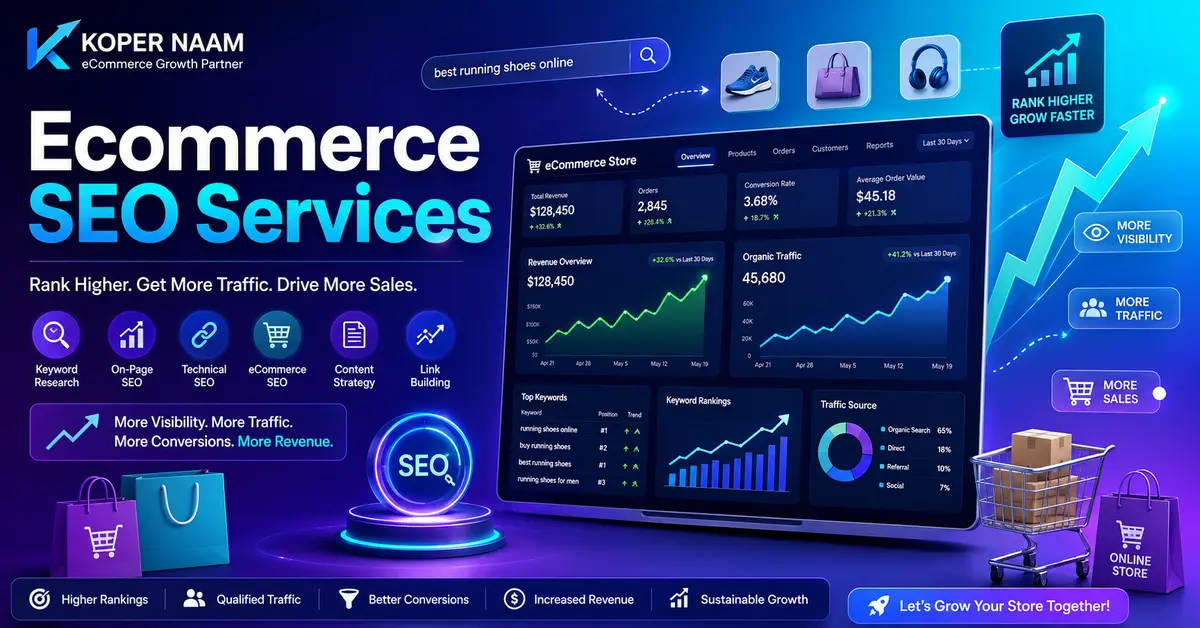

Ecommerce SEO Services Running an online store in 2026 is harder than ever. Competition is growing fast, paid ads are getting expensive, and shoppers now use AI powered search tools before making buying decisions. If your products are not visible on Google, Bing, ChatGPT, or AI search results your competitors will take your customers.
This is why eCommerce Blogging & SEO services have become essential for modern online stores.
Unlike paid ads that stop the moment your budget runs out, SEO creates long-term visibility and consistent organic traffic. A strong eCommerce SEO strategy helps your products appear in front of buyers who are already searching for what you sell.
Whether you run a Shopify store, WooCommerce website, BigCommerce platform, or a custom eCommerce site, the right SEO approach can increase rankings, improve conversions, and grow revenue sustainably.
In this guide, you will learn:
- What eCommerce SEO services are
- Why they matter in 2026
- The most effective SEO strategies for online stores
- Common mistakes competitors ignore
- How AI search is changing eCommerce SEO
- How to choose the best eCommerce SEO agency
- Advanced strategies most competitors never discuss
What Are eCommerce SEO Services?
eCommerce SEO services are specialized optimization strategies designed to improve the visibility of online stores in search engines.
The goal is simple:
- Rank category pages higher
- Improve product page visibility
- Increase organic traffic
- Drive more conversions and sales
- Reduce dependency on paid advertising
Unlike traditional SEO, eCommerce SEO focuses heavily on:
- Product pages
- Category structures
- Product data
- Shopping intent keywords
- Technical SEO
- User experience
- Conversion optimization
An eCommerce website may contain thousands of products, filters, variants, and URLs. Without proper SEO management, search engines struggle to crawl and understand the website correctly.
That is why online stores need specialized SEO services instead of generic SEO solutions.
Why eCommerce SEO Matters More in 2026
Search behavior has changed dramatically.
Today’s shoppers use:
- Google AI Overviews
- Voice search
- ChatGPT recommendations
- AI shopping assistants
- Visual search tools
- Mobile-first browsing
This means modern SEO is no longer only about ranking blue links.
Search engines now prioritize:
- Helpful product information
- Structured product data
- Fast-loading pages
- Trust signals
- Product reviews
- User experience
- AI-readable content
Stores that ignore these changes will slowly lose visibility.
Businesses investing in professional eCommerce SEO services gain:
Long-Term Organic Traffic
SEO continues generating traffic without paying for every click.
Lower Customer Acquisition Costs
Organic traffic reduces reliance on expensive ads.
Better Conversion Rates
Optimized pages attract high-intent buyers.
Stronger Brand Authority
Top rankings increase trust and credibility.
Improved AI Visibility
Well-structured content performs better in AI-generated search results.
Core eCommerce SEO Services That Actually Drive Revenue

Many agencies focus only on rankings. Smart businesses focus on revenue.
Here are the most important eCommerce SEO services that truly impact growth.
Ecommerce Keyword Research
Keyword research is the foundation of every successful SEO campaign.
But modern eCommerce keyword research goes far beyond search volume.
Professional SEO services analyze:
- Buyer intent
- Commercial keywords
- Transactional phrases
- Product modifiers
- Long-tail searches
- Seasonal trends
- Competitor opportunities
Example Keyword Types
Transactional Keywords
These users are ready to buy.
Examples:
- Buy gaming laptop online
- Best wireless headphones deal
- Running shoes free shipping
Commercial Investigation Keywords
These users compare products before purchasing.
Examples:
- Best DSLR camera for beginners
- Nike vs Adidas running shoes
- Top office chairs for back pain
Informational Keywords
These support the customer journey.
Examples:
- How to choose hiking boots
- Laptop buying guide
- Best fabrics for summer clothing
A strong keyword strategy maps each keyword to the correct page type.
Product Page SEO Optimization
Product pages are your money pages.
Unfortunately, many stores copy manufacturer descriptions, creating duplicate content problems.
Professional eCommerce SEO services improve:
- Product titles
- Product descriptions
- Meta tags
- Internal links
- Product images
- Alt text
- FAQs
- Reviews
- Conversion-focused content
What Makes a Product Page Rank Better?
High-performing product pages include:
- Unique descriptions
- Clear specifications
- User-generated reviews
- FAQ sections
- Trust badges
- Shipping details
- Return information
- Helpful product comparisons
Most competitors barely discuss conversion-focused product optimization, but this directly impacts sales.
Category Page SEO
Category pages often drive the highest revenue in eCommerce SEO.
Yet many stores ignore them completely.
Strong category pages should include:
- Introductory content
- Buyer guidance
- Internal links
- FAQs
- Product filters
- Optimized metadata
- Semantic keywords
Why Category Pages Matter
Category pages target broad commercial searches like:
- Men’s running shoes
- Office furniture
- Gaming accessories
These searches often have huge buying intent and high traffic potential.
Content Marketing for eCommerce SEO
Content builds topical authority.
It also helps your products rank for informational searches earlier in the buyer journey.
Best Content Types for Online Stores
Buying Guides
Help shoppers choose products confidently.
Comparison Articles
Target commercial-intent searches.
Product Tutorials
Improve engagement and trust.
Seasonal Guides
Capture holiday and trend traffic.
FAQ Content
Answer customer objections directly.
User-Generated Content
Reviews and Q&A improve keyword relevance naturally.
Most competitors mention blogs but fail to explain how content supports category and product rankings strategically.
AI SEO and Generative Search Optimization
This is where most competitors are behind.
AI-powered search is changing SEO rapidly.
Modern eCommerce SEO services now optimize for:
- Google AI Overviews
- ChatGPT recommendations
- Generative search engines
- Voice assistants
- Conversational search
How to Optimize for AI Search
Use Clear Product Information
AI tools prefer structured, easy-to-understand content.
Add FAQ Sections
Conversational questions improve AI visibility.
Improve Entity Signals
Brands, products, and categories should be clearly connected.
Use Structured Data
AI systems rely heavily on product schema.
Create Helpful Content
AI prioritizes pages that genuinely answer user intent.
This is one of the biggest SEO opportunities in 2026.
Internal Linking Strategy
Internal linking is one of the most underrated SEO techniques.
Smart internal links help:
- Distribute authority
- Improve crawling
- Increase conversions
- Guide shoppers through the funnel
Best Internal Linking Practices
Link:
- Blogs → Category pages
- Category pages → Products
- Products → Related products
- Guides → Commercial pages
This improves both rankings and user experience.
Common eCommerce SEO Mistakes to Avoid
Many online stores lose rankings because of avoidable mistakes.
Duplicate Product Descriptions
Copied manufacturer content weakens rankings.
Poor Site Structure
Confusing navigation hurts crawling and UX.
Thin Category Pages
Weak content reduces authority.
Ignoring Mobile Experience
Mobile performance now affects rankings heavily.
Indexing Filter URLs
Thousands of useless URLs waste crawl budget.
Slow Website Speed
Slow stores lose traffic and sales.
Missing Structured Data
Products miss rich-result opportunities.
Weak Internal Linking
Important pages remain isolated.
How to Choose the Best eCommerce SEO Services
Not every SEO agency understands eCommerce properly.
Before hiring an agency, ask:
Do They Understand Your Platform?
Shopify, WooCommerce, Magento, and BigCommerce all have unique SEO challenges.
Do They Focus on Revenue?
Traffic alone does not pay bills.
Do They Offer Technical SEO?
Technical issues destroy rankings.
Do They Understand AI SEO?
Modern SEO now includes AI search optimization.
Do They Provide Transparent Reporting?
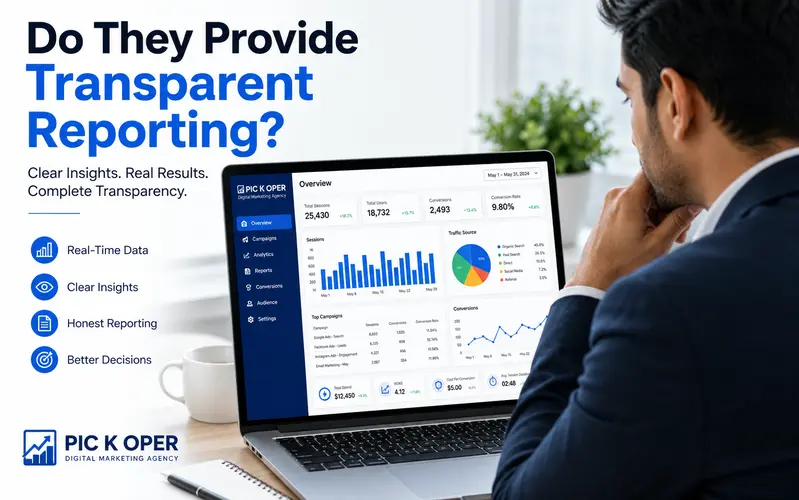
You should track:
- Revenue
- Rankings
- Traffic
- Conversions
- ROI
Future of eCommerce SEO
The future of SEO will focus heavily on:
- AI-generated search experiences
- Voice commerce
- Visual search
- Personalized recommendations
- Entity-based SEO
- Zero-click search optimization
Brands that adapt early will dominate search visibility in the coming years.
FAQs
What are eCommerce SEO services?
They help online stores rank higher on Google and increase sales.
How long does eCommerce SEO take?
Most stores see results within 3–6 months.
Why is eCommerce SEO important?
It brings organic traffic and reduces ad costs.
What does eCommerce SEO include?
Keyword research, technical SEO, content, and optimization.
Can SEO improve online sales?
Yes, SEO attracts buyers ready to purchase.
Is SEO better than paid ads?
SEO gives long-term traffic, while ads stop after budget ends.
Does AI impact eCommerce SEO?
Yes, AI search makes structured and helpful content more important.
Final Thoughtse
Commerce SEO services are essential for online stores that want long-term growth in 2026. A strong SEO strategy helps businesses improve rankings, attract targeted traffic, increase conversions, and reduce dependence on paid advertising. From technical SEO and keyword research to AI optimization and content marketing, every part of SEO works together to build a stronger online presence. Stores that focus on user experience, helpful content, fast performance, and structured product data will stay ahead of competitors and achieve sustainable organic growth