Nothing beats the taste of fresh homemade pasta. It’s soft, rich, flavorful, and far better than store-bought noodles. The best part? You only need a few simple ingredients and a little patience to make restaurant quality pasta at home.
In this complete guide you’ll learn:
- How to make pasta from scratch
- The best ingredients for homemade pasta
- Common mistakes to avoid
- Expert cooking tips most competitors miss
- How to store and freeze pasta
- Easy sauce pairing ideas
Whether you’re a beginner or a home cook looking to improve your skills, this guide will help you make perfect pasta every time.
What Is Homemade Pasta?
Homemade pasta is fresh pasta made using flour, eggs, water, olive oil, and salt. Unlike dried pasta from stores, fresh pasta has a softer texture, richer flavor, and cooks much faster.
Fresh pasta works perfectly with:
- Alfredo sauce
- Tomato sauce
- Pesto
- Garlic butter
- Creamy mushroom sauce
Ingredients You Need to Make Pasta
One reason people love homemade pasta is because it uses pantry staples.
Basic Pasta Ingredients
- 2 cups all-purpose flour
- 3 large eggs
- 1 tablespoon olive oil
- ½ teaspoon salt
That’s it.
Best Flour for Pasta
Many articles only mention one flour type, but here’s the truth:
All-Purpose Flour
Best for beginners. Easy to work with and available everywhere.
Semolina Flour
Makes pasta firmer and slightly chewy.
00 Flour
Traditional Italian flour that creates silky smooth pasta.
Pro Tip:
Mixing all-purpose flour with semolina gives the best balance of softness and chewiness.
Equipment You Can Use
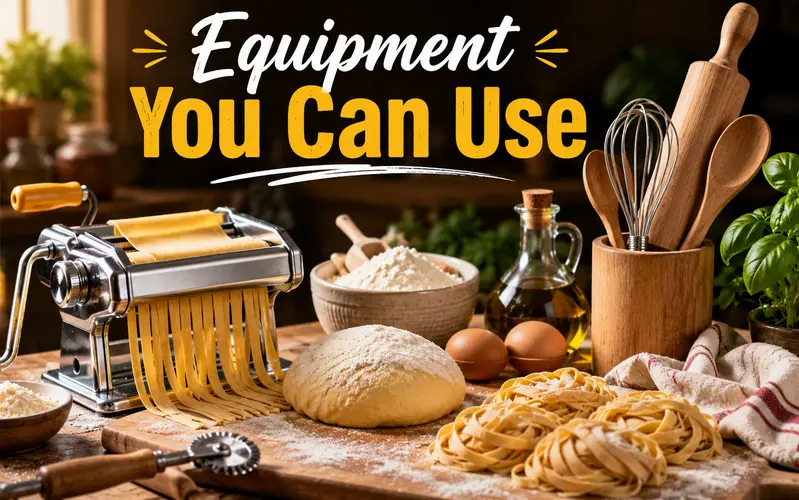
You do NOT need expensive tools.
You Can Make Pasta With:
- Rolling pin
- Sharp knife
- Mixing bowl
Optional tools:
- Pasta maker
- KitchenAid pasta attachment
- Dough scraper
Step by Step: How to Make Pasta
Step 1: Make the Dough
Place flour on a clean surface and create a well in the center.
Add:
- Eggs
- Olive oil
- Salt
Use a fork to slowly mix the eggs into the flour.
Once combined, use your hands to form a rough dough.
Step 2: Knead the Dough
Knead the dough for 8–10 minutes.
The dough should become:
- Smooth
- Elastic
- Soft but not sticky
Important Tip Most Articles Miss:
If your dough feels dry, wet your hands slightly instead of pouring water directly onto the dough. This prevents overhydration.
Step 3: Let the Dough Rest
Wrap the dough in plastic wrap and let it rest for 30 minutes.
Why this matters:
- Relaxes the gluten
- Makes rolling easier
- Prevents tearing
Skipping this step is one of the biggest beginner mistakes.
Step 4: Roll Out the Dough
Cut dough into 4 pieces.
Flatten one piece and roll it thin using:
- Rolling pin
- Pasta machine
Ideal Thickness
Your dough should be thin enough to slightly see your hand through it.
Step 5: Cut the Pasta
Use a knife or pasta cutter to create:
- Fettuccine
- Tagliatelle
- Spaghetti
- Pappardelle
Dust pasta lightly with flour to stop sticking.
Step 6: Boil the Pasta Properly
Bring a large pot of water to a boil.
Add Plenty of Salt
The water should taste slightly salty like soup.
This seasons the pasta from the inside.
Huge Mistake to Avoid:
Never add oil to pasta water.
Oil prevents sauce from sticking to the noodles.
Step 7: Cook Until Al Dente
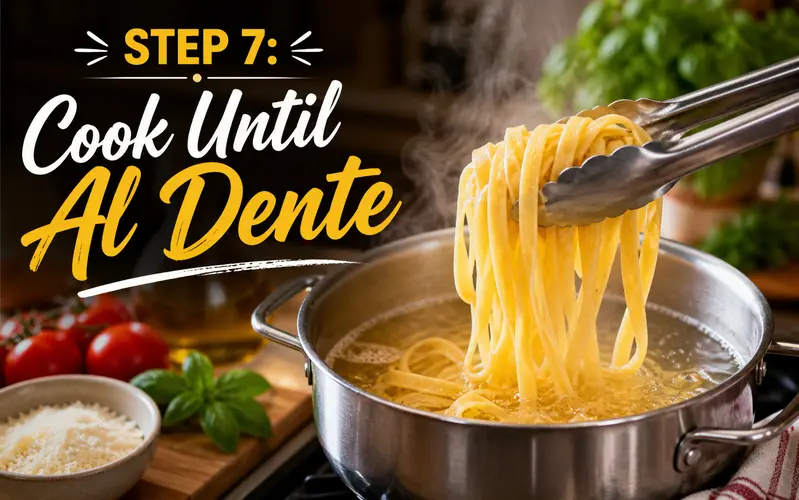
Fresh pasta cooks VERY quickly.
Usually:
- 1–3 minutes only
Taste the pasta before draining.
Al dente means tender with a slight bite.
Secret Tips Most Competitors Don’t Mention
Here are expert pasta-making tips many articles forget to explain.
Save Pasta Water
Before draining, save 1 cup of pasta water.
Why?
The starch in pasta water helps sauces:
- Stick better
- Become creamy
- Taste richer
Professional chefs use this trick constantly.
Don’t Rinse Pasta
Rinsing removes the starch coating that helps sauce cling to pasta.
Only rinse pasta if making:
- Cold pasta salad
Fresh Pasta Needs Less Sauce
Fresh pasta absorbs sauce better than dried pasta.
Using too much sauce can overpower the delicate flavor.
Dry Dough = Better Pasta Texture
Slightly dry dough creates firmer pasta with better bite.
Overly soft dough becomes sticky and mushy after cooking.
Resting Dough Twice Improves Texture
Most articles only mention resting once.
But professional cooks often:
- Rest after kneading
- Rest again after rolling
This improves elasticity and prevents shrinking.
How to Store Homemade Pasta
In the Fridge
Store for:
- Up to 2 days
Use an airtight container.
In the Freezer
Freeze pasta nests on a tray first.
Then transfer to freezer bags.
Frozen pasta lasts:
- Up to 2 months
Cook directly from frozen.
Best Sauces for Homemade Pasta
Tomato Basil Sauce
Fresh and classic.
Alfredo Sauce
Creamy and rich.
Garlic Butter Sauce
Simple but delicious.
Pesto Sauce
Perfect for fresh noodles.
Mushroom Cream Sauce
Earthy and comforting.
Homemade Pasta vs Store Bought Pasta
| Homemade Pasta | Store-Bought Pasta |
|---|---|
| Fresh flavor | Less flavorful |
| Soft texture | Firmer texture |
| Cooks quickly | Longer cooking time |
| No preservatives | Contains preservatives |
| Fully customizable | Limited options |
Can You Make Pasta Without Eggs?
Yes.
Egg-free pasta works well for:
- Vegan recipes
- Lighter pasta dishes
Simple Eggless Pasta Recipe
- 2 cups semolina flour
- ¾ cup warm water
- ½ teaspoon salt
Mix and knead exactly like regular pasta dough.
Is Homemade Pasta Healthy?
Homemade pasta can be healthier because:
- No preservatives
- Fresh ingredients
- Easy portion control
You can also use:
- Whole wheat flour
- Spinach puree
- Beetroot puree
for healthier variations.
Frequently Asked Questions
How long does homemade pasta take to cook?
Fresh pasta usually cooks in 1–3 minutes.
Why is my pasta dough too sticky?
You likely added too much water. Add small amounts of flour while kneading.
Can I make pasta without a pasta machine?
Yes. A rolling pin works perfectly.
Which flour is best for beginners?
All-purpose flour is easiest to use.
Final Thoughts
Learning how to make pasta at home is much easier than most people imagine. With just a few simple ingredients like flour, eggs, olive oil, and salt, you can prepare fresh, soft, and flavorful pasta right in your own kitchen. Homemade pasta tastes far better than store-bought noodles because it has a richer texture and absorbs sauces beautifully. The real secret behind perfect pasta is not expensive equipment, but understanding the basics such as proper dough texture, correct kneading, resting time, salt balance, and cooking timing. Once you learn these simple techniques, making fresh pasta becomes an enjoyable and rewarding cooking experience.